You know, in the fast-changing world of geospatial stuff, picking the right GNSS RTK base station is actually super important if you want solid and reliable survey results. I came across some industry reports that say the Global Gnss market could hit over $200 billion by 2026! Crazy, right? It’s all thanks to tech advancements and the growing need for precision in surveying. One manufacturer that’s really making waves is Shanghai Apekstool (or APEKS for short). They’re a trusted name in China, and they’ve got a whole lineup of GNSS/GPS systems and gear. What’s great is that APEKS is all about high-quality standards and personalized solutions. They really help professionals get the most out of their projects with their top-notch GNSS RTK base stations, making sure everything meets the tougher demands of today’s geospatial tasks.
Top Features to Consider When Selecting a GNSS RTK Base Station in 2025
So, if you're gearing up to pick a GNSS Rtk Base Station for your project in 2025, there are some really important features you should think about to get the best performance. First off, accuracy is crucial. A report from ResearchAndMarkets suggests that the global GNSS market is on the rise, expected to grow at a whopping 9.6% annually until 2027. This really shows how much we’re leaning into precision technology these days. When you're looking at base stations, definitely aim for those that offer centimeter-level accuracy. Trust me, it's a game-changer for everything from surveying to guiding self-driving cars around town.
Then there's connectivity, which is another big deal. You want a base station that can handle all sorts of communication protocols, like NTRIP, Bluetooth, and cellular networks. This flexibility makes it so much easier to integrate with what you’ve already got going on. A 2023 study from the International GNSS Service (IGS) pointed out that systems equipped with advanced networking not only boost data reliability but also help speed things up when you're in a fast-paced environment. Oh, and let’s not forget about durability! Check out the environmental ratings because these base stations often find themselves in pretty rough conditions. If they can tough it out through bad weather while still performing well, it means your project will last longer and your data will stay solid.
Understanding the Impact of 2025 Technology Trends on GNSS RTK Systems
As we get closer to 2025, the world of GNSS RTK systems is really going through some exciting changes thanks to new tech trends popping up. These innovations aren’t just boosting positioning accuracy—they're actually broadening the ways GNSS can be used across different industries. You'll find that advancements in signal processing, AI, and machine learning are helping RTK systems deliver data faster and more reliably, which is super important for everything from smart farming to planning our cities.
And let’s not forget about cloud computing! It’s totally transforming how we handle data in GNSS tech. With the ability to share real-time data, project teams can work together more efficiently, making sure everyone has the latest positioning info at their fingertips. As we lean more on GNSS RTK systems, it’s really important for project managers and engineers to grasp these trends. Knowing the ins and outs will help them pick the right base stations that fit their specific needs. The choices we make now can really influence how successful and precise future projects turn out to be, so staying ahead of the technology curve is key.
10 Digital Tips for Choosing the Best Gnss Rtk Base Station for Your Project
| Tip Number | Tip Description | Impact of 2025 Technology Trends | Recommended Features |
| 1 | Evaluate the frequency and signal compatibility. | Increased use of multi-frequency signals for better accuracy. | Multi-frequency support, signal tracking capabilities. |
| 2 | Examine the data output formats. | Shift towards more standardized data formats for interoperability. | Support for NTRIP, RTCM, and proprietary formats. |
| 3 | Consider the setup time and ease of use. | Advances in plug-and-play technology for faster deployments. | User-friendly interfaces, quick setup features. |
| 4 | Analyze the power consumption. | Focus on energy-efficient models responsive to sustainability trends. | Low energy consumption, solar power options. |
| 5 | Check for real-time monitoring capabilities. | Growth in demand for real-time data transmission. | Remote monitoring, data logging features. |
| 6 | Assess the ruggedness and usability in diverse environments. | Increasing usage in challenging terrains necessitates robust designs. | Weatherproof cases, high impact resistance. |
| 7 | Investigate the customer support and warranty options. | Companies focusing on customer experience and support post-purchase. | Comprehensive support plans, extended warranties. |
| 8 | Examine the integration capabilities with other technologies. | Interconnectivity with IoT and automation for better efficiency. | API access, compatibility with other devices. |
| 9 | Look into user reviews and feedback. | Transparency and accessibility of user experiences aiding decisions. | Review aggregation, user rating systems. |
| 10 | Plan for future upgrades and scalability. | Importance of adaptable systems to keep pace with ongoing technological advancements. | Modular designs, software update capabilities. |
Cost Considerations: Budgeting for a GNSS RTK Base Station in Your Project
So, when you're diving into a project that involves using a GNSS RTK base station, you've really got to keep an eye on the budget. It's super important to wrap your head around all the costs that come with these systems to make sure your project goes smoothly. The initial hit to your wallet usually comes from the base station hardware itself, and believe me, the price can vary a lot depending on the brand, features, and how precise you need it to be. Don’t forget, if you start adding accessories like antennas, batteries, and mounts, those can really boost your expenses, so it's smart to include those in your budget right from the get-go.
And hey, it's not just about the upfront costs; you’ve got to think ahead about ongoing expenses too. Things like maintenance, software licenses, and future upgrades can definitely add up and put a strain on your finances over time. That’s why it’s key to look at both the short-term and long-term costs when you’re picking out a GNSS RTK base station. Doing a well-rounded cost-benefit analysis can really help you find the most budget-friendly choice for your project while still keeping up the quality of your data collection. Remember, it’s not just about how much the gear costs, but also how much bang for your buck you get in terms of efficiency and accuracy when you’re out there executing your project.
Evaluating Software Compatibility and Integration for GNSS RTK Solutions
So, when you're picking out a GNSS RTK base station for your project, you definitely want to take a good look at how well the software will mesh with it. There’s this report from MarketsandMarkets predicting that the GNSS market is gonna hit around $165.52 billion by 2025! It really shows how important software tailored to your needs is for operating smoothly. You see, having a software platform that’s compatible really makes a difference in how efficiently you can process data and maintain accuracy—especially for stuff like land surveying and farming. Make sure the base station you go with supports key software protocols like RTCM and CMR. These allow for smooth communication between different GNSS gear, which is pretty crucial.
And let me tell you, integrating it with your existing systems can really boost productivity. The ideal GNSS RTK setup should play nice with your current drones, total stations, or GIS software. Plus, it should make sharing data across different platforms a breeze. Trimble even did a study that found projects using compatible software integrations can slash operational costs by up to 30% while significantly enhancing data accuracy. That’s why it’s super important to seriously consider software compatibility; it’s an investment that can really pay off in terms of efficiency and reliability throughout your project's life. Trust me, it’s worth the time upfront!
The Role of Data Accuracy and Reliability in Your GNSS RTK Base Station Choice
Hey there! So, when you're picking out a GNSS RTK base station, let me tell you, the importance of getting accurate and reliable data really can't be ignored. I came across this report from the International GNSS Service that said positioning accuracy for GNSS systems can actually vary a ton. If you've got the right setup, you can hit centimeter-level precision, which is a game changer compared to the more common meter-level accuracy you see in less advanced systems. If you’re working on something that needs super high precision, like surveying or farming, finding a base station that consistently delivers solid data is a must.
And, you know, it's not just about being accurate; the reliability of that data is super important—especially when it comes to critical applications. A report from 2022 by the European GNSS Agency pointed out how factors like multipath effects and signal interference can really mess with the availability of high-quality GNSS signals. But don’t worry! A dependable base station can help out with these problems by using advanced algorithms and real-time corrections. That way, you can keep things running smoothly, even when conditions get tricky. So, honestly, putting your money into a GNSS RTK base station that focuses on data accuracy and reliability is totally worth it—it'll seriously boost the efficiency and success of your projects.
Future-Proofing: Ensuring Your GNSS RTK Base Station Adaptability for Upcoming Developments
When you're picking out a GNSS RTK base station, it's super important to think ahead—like, how will this gear hold up as technology keeps moving forward? According to the folks at the International GNSS Service, the market for GNSS-enabled devices is expected to grow by about 8.5% every year until 2028. That just shows you how vital it is to invest in equipment that won’t become obsolete anytime soon. A base station that fits right in with new tech? That’s gonna pay off big time in the long run!
Here’s a handy tip: go for a base station that has flexible software. This way, you can ensure it works with different applications and can adapt as new standards roll out. Also, keep an eye out for models that support multiple GNSS constellations—like GPS, GLONASS, Galileo, and BeiDou—because having access to several satellite systems can really boost accuracy and reliability, no matter where you are.
Oh, and don’t forget to check out what kind of firmware updates and technical support manufacturers offer. Companies like Shanghai Apekstool (APEKS) are known for their innovative geospatial surveying products, and they make sure their GNSS/GPS systems are built to last and adapt over time. So, investing in a base station with solid support? That’s a smart move to keep your surveying projects safe from future tech shifts.
Enhancing Field Data Accuracy: The Impact of GNSS RTK Technology in Rugged Tablets – A Review of Industry Insights and Trends
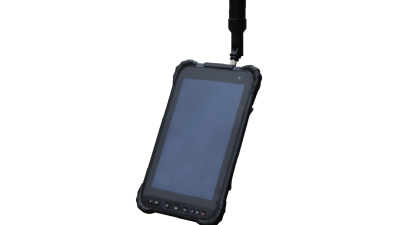
The advancement of Global Navigation Satellite System (GNSS) Real-Time Kinematic (RTK) technology has revolutionized field data accuracy, especially in challenging environments. The TS8i Pro RTK Android tablet stands out as a prime example of how cutting-edge technology can enhance productivity for professionals in surveying, construction, and land management. With its highly sophisticated 1408-channel GNSS module, this device promises centimeter-level measurement accuracy—a critical attribute for tasks where precision is non-negotiable.
What sets the TS8i Pro apart is not just its precise capabilities but also its user-friendly design. This rugged tablet is engineered to withstand the rigors of outdoor work while providing intuitive interfaces that facilitate ease of use. Professionals can gather, analyze, and manage data seamlessly, thus improving operational efficiency and decision-making processes. The integration of GNSS RTK technology within such a robust tablet showcases a significant shift towards adopting tools that blend advanced functionalities with accessibility, making it an indispensable asset for those operating in demanding fields.
In summary, the impact of GNSS RTK technology, particularly through devices like the TS8i Pro, cannot be understated. As industries strive for higher accuracy and efficiency in field data collection, investing in such innovative tools becomes essential to stay ahead. The alignment of advanced GNSS technology and practical usability within the TS8i Pro positions it as a leader in setting new standards for performance and reliability in the industry.
FAQS
: Accuracy is paramount; look for models that offer centimeter-level accuracy, especially for applications like surveying and autonomous vehicle navigation.
Connectivity allows for greater flexibility and ease of integration with existing systems. Supporting multiple communication protocols like NTRIP, Bluetooth, and cellular networks enhances data reliability and response times.
Software compatibility ensures seamless data processing and precision. It is important to choose a base station that supports major software protocols like RTCM and CMR to facilitate interoperability among different GNSS equipment.
Integration allows for simple data sharing across platforms and can significantly improve operational efficiency, potentially reducing operational costs by up to 30% and enhancing data accuracy.
Signal interference can affect the availability of high-quality GNSS signals, leading to issues like multipath effects. A reliable base station can mitigate these problems through advanced algorithms and real-time corrections.
Environmental robustness is essential as base stations are often deployed in challenging conditions. A station that can withstand harsh weather conditions ensures project longevity and maintains data integrity.
Investing in a reliable and accurate GNSS RTK base station will enhance the efficiency and effectiveness of projects that require high precision, such as land surveying and agriculture.
The GNSS market is projected to reach $165.52 billion by 2025, indicating a growing significance of tailored solutions in improving operational efficiency.
For critical applications, such as surveying or agriculture, consistent delivery of robust data is essential, and a reliable base station helps ensure accurate positioning in demanding environments.
Advanced networking capabilities in GNSS RTK solutions are suggested to enhance data reliability and improve response times in dynamic environments.